
Intense Casino: Live Dealer Games and Table Games
Intense Casino Game Library: Slots, Table Games, Live Dealers and the Providers Behind Them
Intense Casino’s game library is easiest to read as a set of shelves rather than a single catalogue. Slots sit in the largest bay, table games and live dealer titles occupy separate sections, and provider names trace back to the studios that made each title. The practical decision is how you browse it: by game type, by provider, or by searching the title itself. Knowing which filter you have used stops you blaming the site for hiding a game that is simply filed under a different tab.
See also:
- What the Intense Casino Game Library Covers and How to Browse It
- intense casino: access to games
- Slots, Jackpots and Free-Play Options: How to Tell Them Apart
- Live Dealer Games and Table Games: What to Check Before Sitting Down
- Software Providers and Fairness Indicators in the Game Interface
- Common Questions About Games at Intense Casino
- Keeping Play Under Control
What the Intense Casino Game Library Covers and How to Browse It
Reading the Library by Category, Not by Headcount
A lengthy catalogue does not necessarily equal a deep one. The count tells you how many titles sit behind the lobby doors; it says little about whether the slots, table games and live tables you actually want are there, or whether the same few studios simply fill the shelf with variations. For a brand like intense casino, the useful question is not how many games exist but how the lobby is divided and whether each category holds enough genuine choice to browse without repetition.
lucky vip casino no deposit bonus terms: wagering
Most casino lobbies organise themselves along predictable lines. Slots usually form the largest cluster, then live dealer tables and a smaller set of RNG table and card games. Filters do the real work: provider, game type, volatility, and sometimes theme or feature. A well-built filter set turns a large library into something you can navigate in a few clicks, and a thin one leaves you scrolling. Check whether the search returns partial matches and whether categories stay consistent as the library grows.
What the Provider Mix and Interface Indicators Tell You
The spread of software studios is the practical indicator of variety. A lobby drawing on several established studios tends to offer different maths models, visual styles and table variants; a narrow roster concentrates risk and reduces choice. Look at the name attached to each game tile and whether the same three names keep appearing. The provider label also points you toward the rules and paytable the studio publishes for that title.
Fairness indicators live in the game interface rather than the lobby. When you open a title, the information or help panel should state the rules, the return-to-player figure and how outcomes are generated. In live dealer games, the table rules sit on screen and the studio is named. These details describe the game; they do not by themselves assure you of anything beyond what they state. Read the panel before staking, and treat the lobby’s presentation as a wayfinding aid rather than proof of quality.
intense casino: access to games
What can you actually play at Intense Casino?
| Brand | Details |
|---|---|
| intense casino | Video slots, table games, live casino tables and progressive jackpots make up the Intense Casino line-up. |
The range at Intense Casino covers video slots, table games and live dealer tables, with progressive jackpots adding a networked prize pool to the slot side. That breadth suits players who move between formats in one session. Live tables follow a dealer’s pace rather than a random number generator, so the experience differs sharply from spinning slots.
This distinction clarifies which operator offers genuine variety within preferred genres rather than just volume, helping you target platforms with compatible gameplay structures.
3 pound deposit casino: How to Check a Bonus Before Depositing
Slots, Jackpots and Free-Play Options: How to Tell Them Apart
A slot that pays from its own bet, a slot that feeds a pooled prize, and a slot you can spin without paying
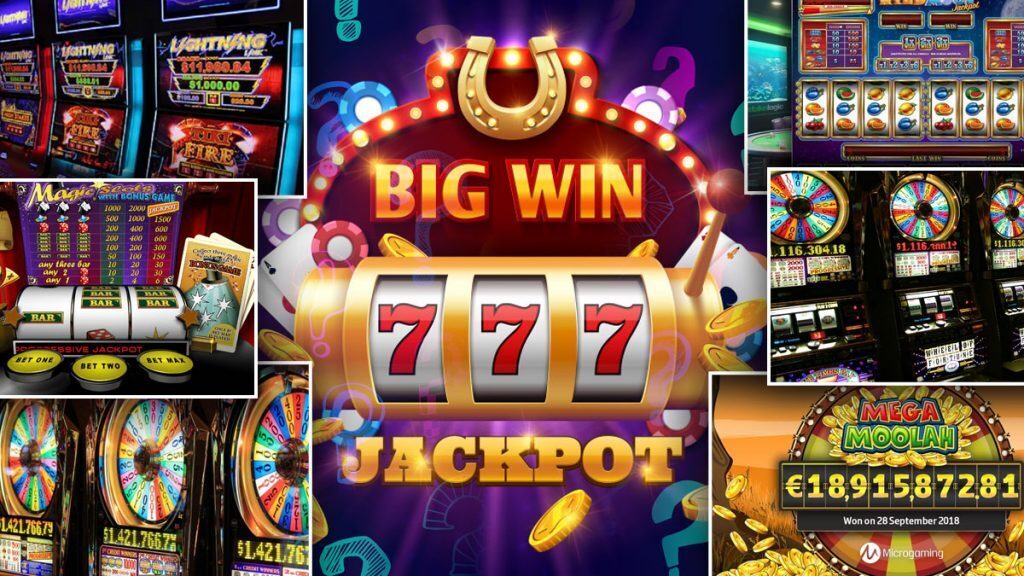
The word jackpot covers two very different machines. A standard slot settles every spin against its own paytable: you stake, the reels land, and any win is calculated from that game’s symbol combinations. A progressive jackpot slot does the same for ordinary wins, but also diverts part of each stake into a prize pool shared across linked machines. That is why a progressive game’s base return can look thinner than a plain slot’s — the missing slice is funding the pool, and the pool pays one winner (or a small group of winners) rather than spreading value across ordinary spins. The practical difference sits in the game’s information screen: a progressive normally declares the jackpot contribution and the stake level at which the jackpot is eligible, and some require a higher bet per spin to qualify. Read those lines before staking. A low stake on a game whose jackpot needs a larger one still plays, but it will not be chasing the headline figure.
PocketWin Casino: Signing In and Sorting Out Account Access Problems
Separating a demo spin from a real-money one
Free-play or demo mode is the game running with virtual credits. You get the same reels, paytable and rules, but nothing you stake or win has value, and any jackpot shown is not one you can claim. Demo availability is decided game by game and market by market, so it varies; look for an explicitly labelled demo or practice button on the game tile or its launch screen. If the only options ask for a stake, no demo is being provided for that title. Confirm the mode before you press spin: the balance display and the stake figure are the reliable signal, since a virtual-credit session shows a separate, non-cashable total. Treat demo play as a way to learn the paytable and the position of features such as wilds or free-spin triggers, not as a predictor of what a paid session will do — each spin is independent of the last regardless of mode.
Live Dealer Games and Table Games: What to Check Before Sitting Down
Reading the Table Rules Before You Join
A live blackjack or roulette table is its own distinct variant, not a copy of every other one. Before you sit down, open the table’s information panel and read three things: the stake range shown against the seat, the side-bet options in play, and the specific rule variants named for that table. Blackjack variants differ in ways that change how the hand plays out — whether the dealer stands or hits on a soft total, how many decks are in the shoe, and whether doubling after a split is permitted. These are structural features, not decoration, and two tables labelled ‘blackjack’ can behave quite differently because of them. The minimum and maximum stakes determine what a single betting round commits you to, while the side bets carry their own house edge and sit separately from the main wager. A table with a comfortable stake range but unfamiliar side bets is not automatically the safer choice.
Judging a Live Stream by What You Can Observe
You can judge stream quality before placing any bet, which makes it easier to assess than rule detail. When you enter a live dealer room, watch the video feed long enough to judge whether the dealer’s movements and the cards or wheel are visible without lag, and whether the connection holds steady. Picture and voice quality matter less than whether you can independently follow the game state: the shoe, the dealt cards, the wheel position. A feed that freezes during a hand creates a real problem, because you cannot confirm what happened until the connection recovers. That is an operational concern, not a fairness claim. Similarly, the chat and betting interface should let you see the current round’s bets and the remaining time to place yours. If any of these elements are unclear, the decision is simply to wait for a stable table or leave, rather than to bet on an interface you cannot follow. Table details and stream behaviour can change, so the panel in front of you at the moment of joining is the authoritative source, not anything you read beforehand.
Software Providers and Fairness Indicators in the Game Interface
Where the Provider Name Appears in a Game
Open a game and look for its information or help panel, usually marked with an "i" icon or a question mark. The studio credit usually appears in that panel, next to the game’s title and version. On a phone the panel may be collapsed behind a menu, so the first tap matters: it either reveals the full details or only a shortened label.
The provider name answers a narrower question than it first appears. It tells you who built and maintains the game, which matters when you want to compare a title across sites or find the developer’s own rules documentation. It does not, by itself, tell you who operates intense casino, who holds the licence for the site, or whether the game is currently audited. Those are separate facts held elsewhere, and treating a familiar studio logo as proof of anything beyond authorship is the misleading shortcut to avoid.
Fairness Details Worth Reading Before You Spin
Return-to-player figures, the rules, and for slots the paytable and feature descriptions normally sit in the game panel. Read the RTP as a long-run average across all play, not a promise about your session; it is calculated over a very large number of spins and says nothing about what happens in the next ten minutes. Where a title offers several RTP configurations, the figure displayed in the panel is the one that matters, since studios can release variants for different markets.
The rules section deserves the same attention as the paytable. It sets out how wilds behave, whether features can be triggered in more than one way, and what happens when a round is interrupted. On a small screen, zoom or rotate the device rather than skim: a rule read once at the wrong moment on a phone is easily misremembered. If the panel names a testing laboratory or shows a certification mark, treat it as evidence that a specific version was examined at a point in time, not as a guarantee of future behaviour.
Common Questions About Games at Intense Casino
What happens to my round if a live dealer stream or a slot session drops mid-game?
A slot round that has already been started is normally resolved by the game server, so the outcome is recorded even if your connection fails; reload the game and the result should appear in your play history. A live table depends on the studio’s rule for interrupted hands, so check its rules panel rather than assuming your stake is returned.
What can I do if a specific game or provider title is not showing in the lobby?
Search by the studio name rather than the title, then clear filters such as favourites or recently played, which can hide results. If it still does not appear, the title may be unavailable in your market or withdrawn by the provider; the lobby cannot show what is not published to it.
What should I check if the RTP or rules shown in the game info differ from what I expected?
Compare the published figure with the version label on the game itself, because a studio can release several variants of the same title with different paytables. If the two still conflict, treat the in-game rules screen as the description of the version you are playing.
Keeping Play Under Control
Protect other spending first. Take care of bills, savings and anything else important before setting a gambling budget. The money set aside for play is a sunk cost once spent, not a loan from a future win. The same goes for time: decide the end before you start. Anyone uncertain about play in the UK can contact the National Gambling Helpline on 0808 8020 133 via GamCare or BeGambleAware, free and confidentially. GAMSTOP offers self-exclusion across participating operators. Gambling is for adults aged 18 and over and is regulated by the Gambling Commission.
Mega Wheel Casino: When a Live Wheel Session Fits